

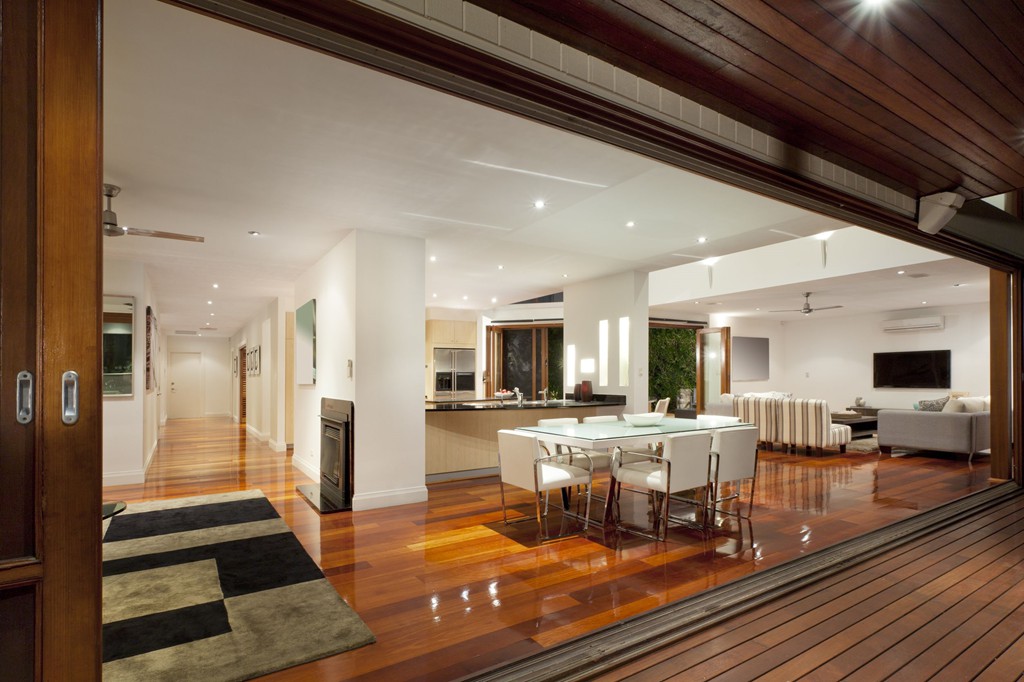
When upgrading residential floors, many homeowners focus almost entirely on picking out the perfect hardwood plank, luxury vinyl tile, or plush carpet. However, the secret to achieving a truly polished, magazine-worthy room lies in the architectural trim and moldings. Baseboards, shoe moldings, crown molding, and door casings serve as the bridge between your floors, walls, and cabinetry. Beyond their decorative value, trim elements protect wall bases from vacuum impacts, cover structural floor expansion gaps, and tie disparate design elements together.
Essential Types of Architectural Moldings
Understanding the function of various trim profiles makes it easier to design a seamless transition throughout your home renovation:
Baseboards: Installed along the bottom of walls where they meet the floor. Baseboards shield drywall from foot traffic, furniture scuffs, and vacuum cleaners while concealing the essential expansion gap left around floating or nailed wood floors.
Shoe Molding (Quarter Round): A flexible, narrow molding installed directly against the bottom of the baseboard. Shoe molding covers minor inconsistencies between an uneven floor and a straight baseboard, creating a crisp, draft-free finish.
Crown Molding: Positioned at the junction of walls and ceilings, crown molding adds grandeur and architectural elegance, drawing the eye upward and making rooms feel taller and more refined.
Transition Strips (T-Moldings and Reducers): Crucial elements used where two different flooring materials meet—such as hardwood transitioning to tile in a doorway. Properly installed transitions prevent tripping hazards and protect raw plank edges.
Material Choices: Wood vs. MDF
Selecting the right material for trim and moldings depends on room usage and decorative preferences:
Solid Hardwood Trim: Best suited for stain-grade applications where the natural grain of oak, maple, or cherry is left visible to match polished wood floors. Solid wood offers superior durability and timeless beauty.
Medium-Density Fiberboard (MDF): An economical, highly stable material engineered specifically for paint-grade trim. MDF comes pre-primed, features a smooth surface free of natural wood knots, and will not warp or split easily during installation.
Polyurethane/PVC Moldings: Ideal for moisture-prone environments like bathrooms, basements, and laundry rooms. PVC trim is 100% waterproof, rot-proof, and will not absorb humidity.
The Value of Professional Custom Millwork
Installing trim requires precision angle cuts, coping skills, and seamless miter joints. Professional installers ensure that corners fit tightly without visible gaps or excessive wood filler. Properly countersunk nails, caulked seams, and painted or stained finishes ensure that baseboards and moldings look like built-in features rather than afterthoughts.
To review our history of exceptional service, licensed installation craftsmanship, and local residential work since 1999, visit our About Us page.
Complete Your Renovation with Precision Details
Never underestimate the impact of fine finishing touches. High-quality trim and moldings elevate new floors from simply "installed" to truly extraordinary, adding character and value to every room in your residence.
Ready to view custom trim profiles, discuss staircase upgrades, or explore our extensive floor catalogs? Navigate directly to our Locations page to find our showroom details and schedule your personalized design consultation.