

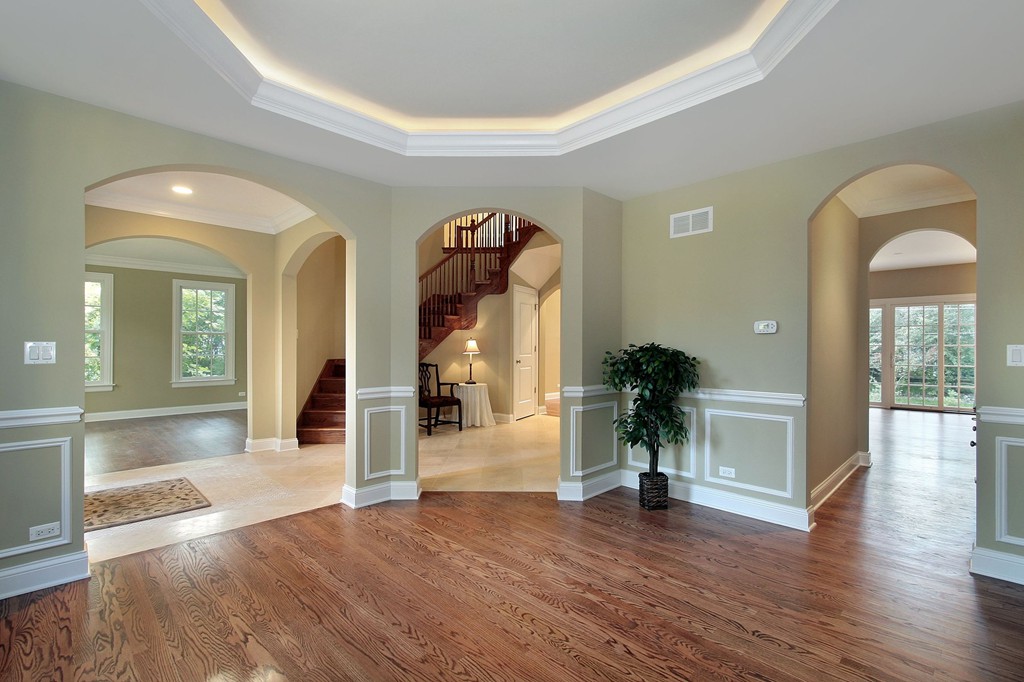
Few home upgrades deliver the lasting value and visual impact of hardwood flooring. It's a material that never quite goes out of style, adds real estate value, and can last generations with proper care. But hardwood is also a significant investment, and going in with the right knowledge helps homeowners avoid costly mistakes. Whether you're renovating an older home or upgrading a newer one, here's what you need to understand before committing to hardwood floors.
Solid vs. Engineered Hardwood
One of the first decisions homeowners face is choosing between solid and engineered hardwood. Solid hardwood is milled from a single piece of wood, offering the ability to be sanded and refinished multiple times over its lifespan. Engineered hardwood consists of a real wood veneer layered over plywood, making it more stable in fluctuating humidity and often more suitable for installation over concrete slabs or in below-grade spaces. Neither option is universally "better" — it depends on your home's structure and the room in question.
Species and Grain Matter More Than You Think
Different wood species offer different hardness levels, grain patterns, and price points. Oak remains a popular choice for its durability and classic grain, while maple offers a smoother, more subtle look. Walnut brings rich, dark tones for a more dramatic aesthetic. Understanding the Janka hardness scale can also help homeowners choose a species that will hold up well to their household's specific lifestyle, especially in homes with children or pets.
Finish Options Change the Look and Maintenance
The finish applied to hardwood affects both its appearance and how it wears over time. Site-finished floors are sanded and coated after installation, allowing for a seamless, custom look. Pre-finished floors arrive ready to install, which can shorten project timelines. Matte and satin finishes tend to hide scratches and dust better than high-gloss finishes, which show wear more readily but offer a striking, formal appearance.
Sand and Finish: Reviving Existing Floors
If your home already has hardwood floors hiding under scratches, discoloration, or old finish, a full replacement isn't always necessary. Sand and finish services can restore original hardwood to a like-new condition, often at a fraction of the cost of new installation. This is also a great opportunity to change the stain color and update the look of a room without tearing anything out.
Plan for Acclimation and Proper Installation
Wood is a natural material that expands and contracts with humidity and temperature changes. Proper installation includes an acclimation period, where the wood adjusts to the environment of your home before it's installed. Skipping this step is one of the most common causes of gapping, cupping, or buckling down the road — which is why professional installation matters just as much as the material itself.
Ready to Start Your Hardwood Project?
Hardwood flooring is a long-term investment, and choosing an experienced, trustworthy installer is just as important as choosing the wood itself. To understand the values and craftsmanship behind a project, take a moment to read more on the About Us page. And if you're ready to get started, check the Location page to confirm service in your area and plan a visit to see hardwood samples in person.