

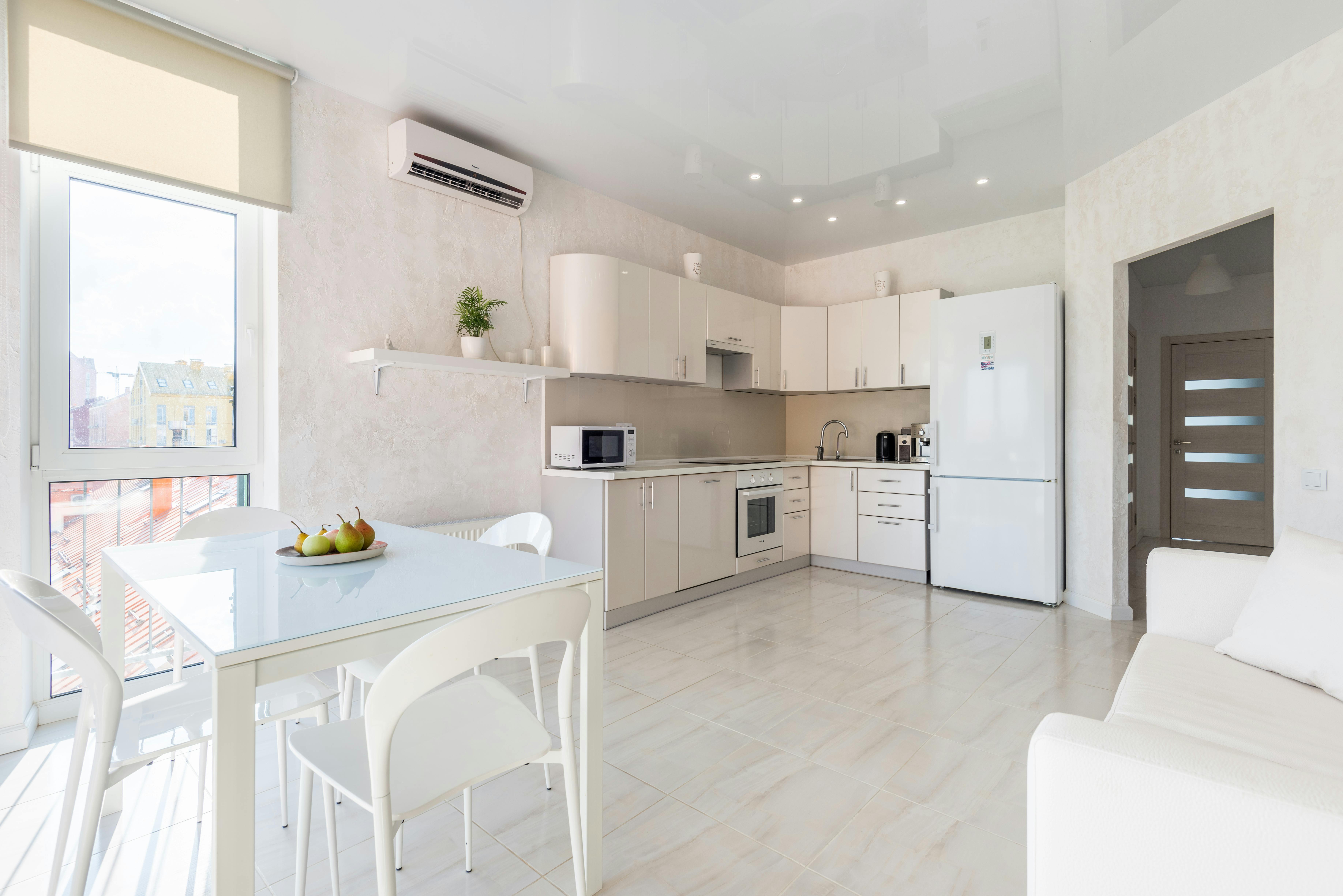
When it comes to selecting the right tiles for your home, the options can seem overwhelming. Among the most popular choices are porcelain and ceramic tiles, both offering unique qualities and benefits.
Whether you're renovating your bathroom, kitchen, or any other space, understanding the differences between these two materials can help you make an informed decision that suits your needs and preferences perfectly.
What are the key differences between porcelain and ceramic tiles?
Durability
One of the primary considerations when choosing between porcelain and ceramic tiles is durability. Porcelain tiles are known for their exceptional strength and resilience, making them ideal for high-traffic areas such as hallways, kitchens, and entryways. These tiles are fired at higher temperatures than ceramic tiles, resulting in a denser and less porous material that is highly resistant to scratches, stains, and moisture.
On the other hand, while ceramic tiles are also durable, they are generally less dense than porcelain tiles and may be more prone to chipping or cracking under heavy impact. However, advancements in technology have led to the development of high-quality ceramic tiles that offer increased durability and longevity.
Water resistance
Another important factor to consider is water resistance. Porcelain tiles have a lower water absorption rate than ceramic tiles, making them an excellent choice for areas that are frequently exposed to moisture, such as bathrooms, kitchens, and outdoor spaces. The dense composition of porcelain tiles helps to prevent water from seeping into the material, reducing the risk of mold, mildew, and water damage.
Ceramic tiles, while still water-resistant, may absorb more moisture than porcelain tiles, especially if they are not properly sealed. However, with the right sealant and regular maintenance, ceramic tiles can also offer excellent protection against water damage.
Appearance
In terms of appearance, both porcelain and ceramic tiles come in a wide range of colors, patterns, and designs to suit any aesthetic preference. However, porcelain tiles often feature through-body coloration, meaning that the color and texture of the tile extend throughout the entire thickness of the material. This makes porcelain tiles more resistant to fading and wear, as any chips or scratches will be less noticeable.
Ceramic tiles, on the other hand, typically have a glazed surface that may be prone to wear over time, especially in high-traffic areas. While this can result in a slightly less durable finish, ceramic tiles offer endless possibilities for customization, with options ranging from glossy to matte finishes and everything in between.
Making the right choice for your home with Hampstead Floor Company
Both porcelain and ceramic tiles offer unique advantages and can be suitable choices for various applications in your home. When deciding between the two, it's essential to consider factors such as durability, water resistance, and appearance to determine which option best meets your needs and preferences.
If you're still unsure about which type of tile is right for your home, consulting with a professional tile expert can provide valuable insight and guidance. At Hampstead Floor Company in Newtown, PA, our team of experienced professionals is here to help you explore your options and find the perfect tiles for your project. Contact us today to learn more and schedule a consultation!
Visit Hampstead Floor Company in Newtown, PA, serving the areas of Doylestown, Wrightstown, Newtown, Buckingham, Jamison, New Hope, Richboro, Washington Crossing, Furlong, and Pipersville, PA. Our team is committed to providing exceptional products and services to help you achieve the home of your dreams. Contact us today to get started!


