

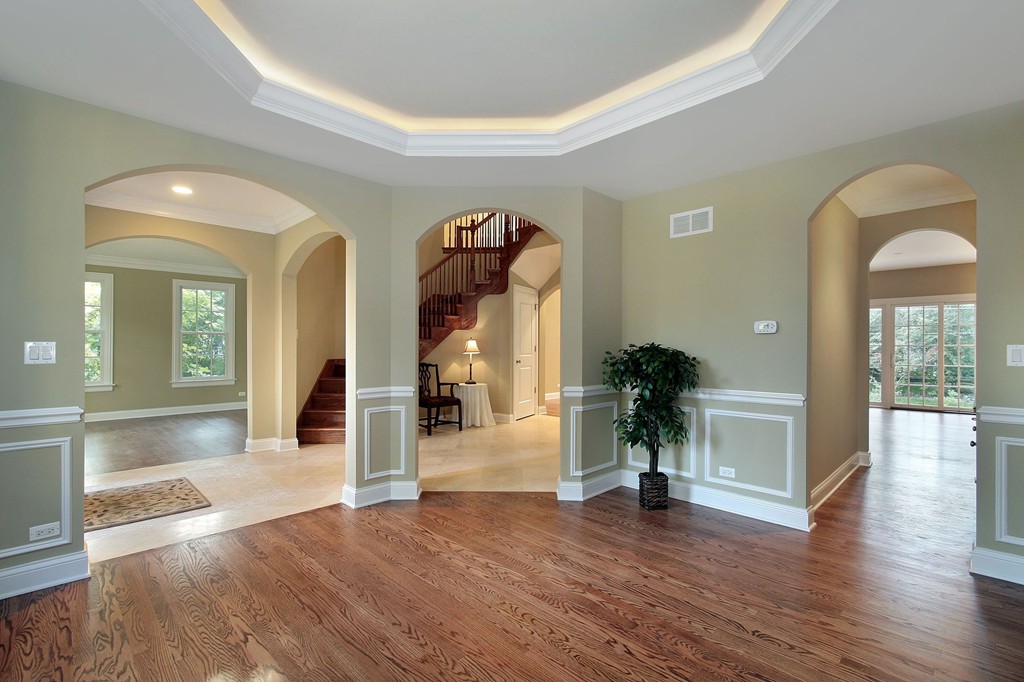
Hardwood flooring is more than just a surface to walk on; it is a foundational design element that brings warmth, character, and long-term value to any residence. For homeowners in Bucks and Montgomery Counties, selecting the right wood species, finish, and installation method can feel like a daunting task given the sheer variety of options available today. At Hampstead Floor Company, we believe that an informed customer is a happy customer. Whether you are renovating a historic farmhouse in New Hope or building a modern masterpiece in Newtown, understanding the nuances of hardwood is the first step toward a successful home transformation.
Understanding the Difference: Solid vs. Engineered Hardwood
One of the most frequent questions we encounter at our showroom is whether to choose solid or engineered hardwood. Both have their distinct advantages, and the "right" choice often depends on your home’s specific environment.
Solid hardwood is exactly what it sounds like—a single, solid piece of wood from top to bottom. Its primary benefit is longevity. Because it is thick, it can be sanded and refinished multiple times over decades, potentially lasting a century or more. However, solid wood is prone to expansion and contraction with humidity changes, making it less ideal for basements or areas with high moisture.
Engineered hardwood, on the other hand, consists of a real wood veneer atop layers of high-density fiberboard or plywood. This cross-grain construction makes it incredibly stable. It resists warping in humid conditions and can often be installed in areas where solid wood cannot, such as over concrete slabs. If you are curious about which might suit your specific floor plan, you can learn more about our team’s expertise on our About Us page.
Selecting the Right Species for Durability and Style
The species of wood you choose dictates both the aesthetic and the durability of your floors. In the Northeast, domestic hardwoods like White Oak, Red Oak, and Hickory remain perennial favorites.
White Oak: Known for its cool, neutral tones and tight grain, White Oak is highly versatile for modern "greige" or natural finishes. It is also slightly harder than Red Oak, offering excellent resistance to wear.
Hickory: If you have a busy household with pets and children, Hickory is a fantastic choice. It is one of the hardest domestic woods available, featuring dramatic grain patterns that hide scratches and dents well.
Cherry and Walnut: These are "softer" hardwoods prized for their rich, deep colors. They add an air of luxury but may require more care in high-traffic areas.
The Importance of Professional Installation
While "DIY" projects are popular, hardwood flooring installation is a craft that requires precision. From moisture testing your subfloor to ensuring proper acclimation of the wood to your home’s climate, the technical details matter. Improper installation can lead to "cupping" or gaps between boards just months after the project is finished. Our licensed and insured installers take the guesswork out of the process, ensuring your investment is protected from day one.
Finishing Touches: Stains and Sheens
The finish is what ultimately protects your wood from spills and foot traffic. Today’s homeowners are moving away from high-gloss finishes in favor of matte or satin sheens. These lower-gloss options are much more forgiving when it comes to showing dust, pet hair, and minor scuffs. Furthermore, the rise of water-based finishes has made the process much more eco-friendly, offering fast dry times and low VOCs without sacrificing durability.
As a family-owned business, we take pride in helping our neighbors find the perfect fit for their lifestyles. If you’re ready to see these samples in person or want to discuss a custom staircase project, please visit our Locations page to find our showroom and service area details. Let’s build something beautiful together.


